
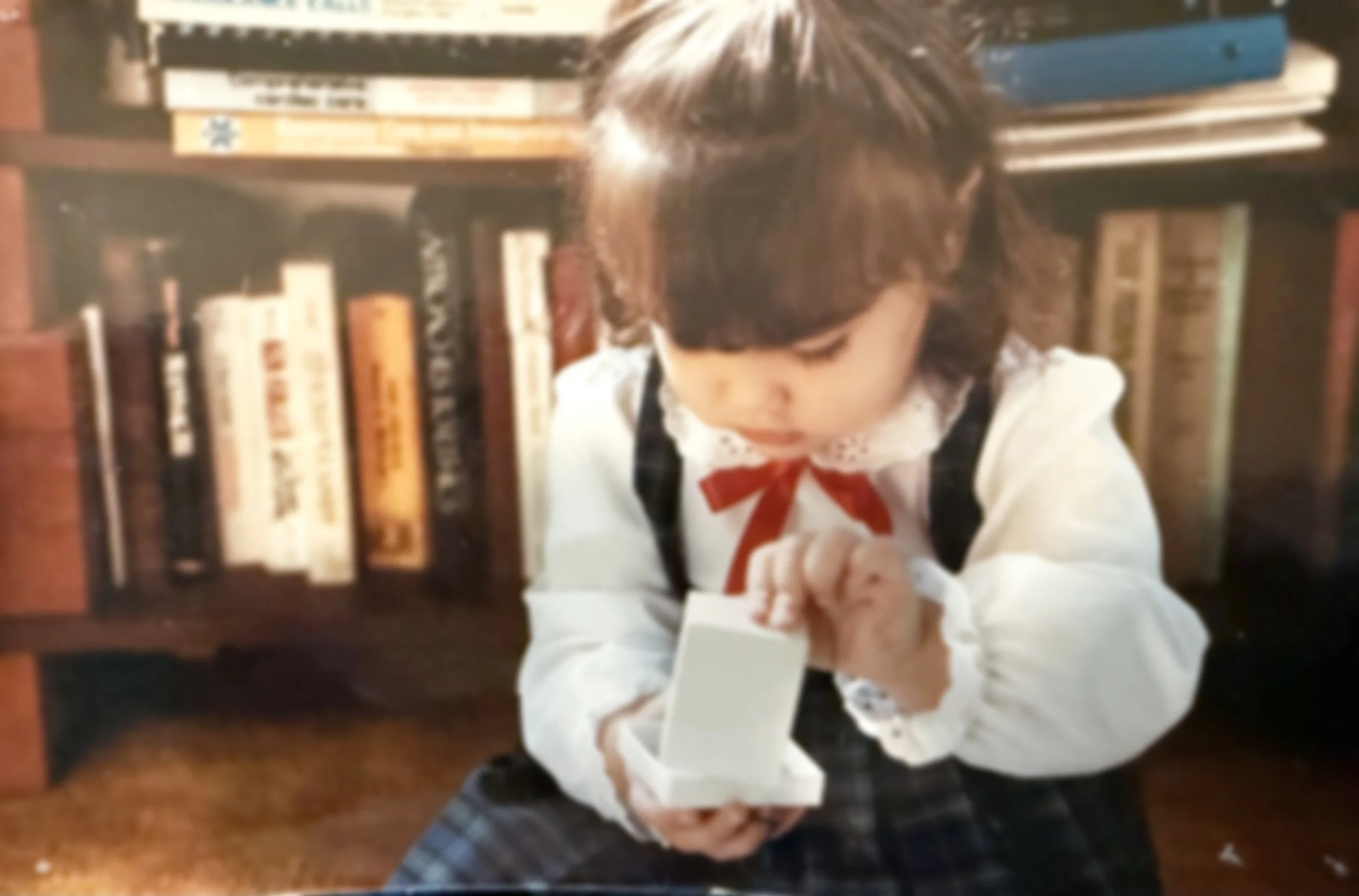
Therapy grounded in relationships and development.
Our present reactions are rarely random.
They’re often shaped by earlier experiences we adapted to long before we had the language to understand them. Therapy offers space to slow down and notice how those early adaptations continue to organize emotions, behavior, and relationships.
How I Think About Therapy
In therapy, I pay close attention to patterns as they show up in relationship—both inside and outside of session. Rather than isolating behaviors or symptoms, we explore how stress, history, and early experience are carried into the present.
Therapy becomes a space to notice what has become automatic and to consider how these patterns might shift when they’re better understood and responded to differently over time.
My Specialization
My clinical background is in infant and early relational health and family systems work. I have particular expertise in working with infants and young children (ages 0–5) and their families during the earliest and most formative stages of development—especially in understanding how early experiences, stress, trauma, or unmet needs show up in behavior, attachment, and connection.
This same framework also informs my work with parents, families, and adults who want to better understand themselves and the patterns that shape their relationships. These early relational patterns often continue to influence how people relate to themselves and others long after childhood.
What The Work Is Like
Therapy with me is thoughtful, relational, and grounded in close attention to how experiences unfold in relationship. I’m interested in patterns—how they formed, what they once helped you adapt to, and how they continue to show up in the present.
Much of what makes therapy helpful is the experience of being met differently over time—listened to, taken seriously, and responded to with care and consistency. I bring warmth, reflection, honesty, and humor into the room, alongside deep respect for the weight and complexity of relationships, caregiving, and systems.
I see behavior as communication—by children and adults alike—as an attempt, however messy, to be understood. The work is collaborative and reflective, focused less on perfection and more on connection that can hold both the beautiful and the difficult parts of life.
Who This Work Is For
This work is for people who want to better understand themselves and the patterns that shape their relationships. Many come in feeling stuck in familiar reactions, overwhelmed by emotions, or unsure how their past continues to show up in the present.
It can be especially supportive for parents and caregivers navigating the intensity of early caregiving, as well as adults and families who want space to slow things down and better understand what’s driving their reactions and relationships.